Raccoons may appear harmless or even charming from a distance, but when they invade residential or commercial properties, they can cause significant damage and pose serious health risks. These intelligent and highly adaptable animals are known for their dexterity, problem-solving skills, and persistence. Once they identify a reliable source of food or shelter, they are unlikely to leave without intervention. A professional Raccoon Removal Texas service provides the expertise, tools, and humane strategies necessary to resolve infestations safely while protecting both property and occupants. Understanding the risks associated with raccoon activity and the importance of professional removal is essential for maintaining a secure and sanitary environment.
Raccoons are opportunistic wildlife that thrive in areas where food, water, and shelter are readily available. Trash bins, pet food, compost piles, and accessible attics or crawl spaces create ideal conditions for raccoon habitation. Unlike smaller pests, raccoons are strong and capable of tearing through roofing materials, vents, soffits, and siding to gain entry into structures. Once inside, they may create nests in attics, damage insulation, chew wiring, and contaminate areas with droppings and urine. Their presence can compromise structural integrity and create costly repair needs if not addressed promptly.
One of the primary reasons property owners seek raccoon removal services is the extensive damage these animals can cause. Raccoons often target attics for nesting, especially during breeding seasons. Female raccoons may establish dens in quiet, sheltered spaces to raise their young. In doing so, they can displace insulation, break ductwork, and create entry holes that allow moisture and additional pests to enter the property. Outdoors, raccoons may dig up lawns in search of insects, raid gardens, and damage landscaping features. The financial impact of these activities can escalate quickly, making timely intervention critical.
Health risks associated with raccoon infestations should not be underestimated. Raccoons can carry diseases and parasites that pose threats to humans and pets. Their droppings may contain harmful pathogens, and contact with contaminated surfaces can increase the risk of illness. Additionally, raccoons can become aggressive if they feel threatened, particularly mothers protecting their young. Attempting to remove raccoons without proper training or equipment increases the likelihood of injury and exposure to disease. Professional raccoon removal services are equipped to handle these risks safely and effectively.
A comprehensive raccoon removal service typically begins with a detailed inspection of the property. Professionals assess entry points, nesting areas, and potential attractants to develop a customized removal plan. This inspection process is crucial because raccoons are intelligent and may use multiple access points. Simply removing one animal without addressing structural vulnerabilities can lead to recurring problems. A thorough assessment ensures that all aspects of the infestation are identified and addressed systematically.
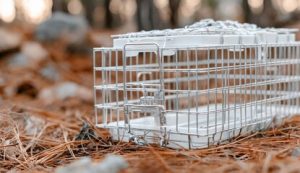
Effective raccoon removal strategies often involve a combination of humane trapping, exclusion techniques, and habitat modification. Humane trapping methods are designed to capture raccoons safely without causing harm. Once captured, wildlife professionals follow established guidelines for relocation or other appropriate measures. Exclusion techniques, such as sealing entry points and reinforcing vulnerable areas, prevent raccoons from re-entering the property. Habitat modification reduces attractants by securing trash bins, removing accessible food sources, and improving overall sanitation. These integrated approaches ensure long-term effectiveness rather than temporary relief.
Key components of a professional raccoon removal service often include:
- Comprehensive Property Inspection – Identifying entry points, nesting sites, and environmental factors contributing to the infestation.
- Humane Trapping and Removal – Using safe and ethical methods to capture and remove raccoons.
- Exclusion and Structural Repairs – Sealing gaps, reinforcing vents, and repairing damage to prevent future access.
- Sanitation and Decontamination – Cleaning affected areas to eliminate health hazards and odors.
- Preventive Recommendations – Providing guidance on maintaining a raccoon-resistant property.
Preventive measures play a central role in minimizing the risk of future raccoon infestations. Securing garbage containers with tight-fitting lids, storing pet food indoors, and avoiding leaving food outside overnight significantly reduce attractants. Installing heavy-duty vent covers and chimney caps can block common entry points. Regularly inspecting roofing, soffits, and siding for signs of damage allows property owners to address vulnerabilities before raccoons exploit them. These proactive steps, combined with professional guidance, create a strong defense against wildlife intrusion.
Commercial properties face unique challenges when dealing with raccoon activity. Restaurants, warehouses, office buildings, and retail establishments often generate food waste that can attract wildlife. In these environments, raccoon infestations can disrupt operations, damage inventory, and negatively impact customer perception. Implementing a structured wildlife management plan ensures that commercial facilities remain compliant with health and safety standards while maintaining operational continuity. Professional raccoon removal services can tailor strategies to meet the specific needs of commercial clients, minimizing disruption and protecting business interests.
Another important aspect of raccoon removal is addressing the aftermath of an infestation. Even after animals are removed, contaminated insulation, droppings, and nesting materials may remain. Professional decontamination services are essential for restoring affected areas to a safe and hygienic condition. This process may involve removing soiled materials, disinfecting surfaces, and deodorizing spaces to eliminate lingering odors that could attract other wildlife. Thorough cleanup not only protects health but also ensures that the property is fully restored.
Technology has enhanced the effectiveness of modern raccoon removal services. Motion-activated cameras, thermal imaging devices, and advanced monitoring systems allow professionals to identify activity patterns and pinpoint nesting locations with greater accuracy. These tools reduce guesswork and enable targeted interventions, improving efficiency and minimizing stress on both property occupants and wildlife. Data collected during monitoring can also inform long-term preventive strategies, strengthening the property’s defenses over time.
Education and awareness are critical components of wildlife control. Property owners who understand raccoon behavior are better equipped to prevent infestations. Raccoons are nocturnal and often seek shelter during the day in quiet, undisturbed areas. Recognizing early warning signs—such as overturned trash bins, scratching noises in attics, or visible damage to vents—allows for prompt action. Early intervention reduces the extent of damage and simplifies the removal process.
There are several long-term benefits to investing in professional raccoon removal services:
- Enhanced Safety – Reduces the risk of injury and disease transmission.
- Property Preservation – Prevents structural damage and costly repairs.
- Humane Wildlife Management – Ensures ethical handling and removal practices.
- Long-Term Prevention – Addresses root causes to minimize recurrence.
- Peace of Mind – Assures that the issue is resolved comprehensively.
It is important to emphasize that do-it-yourself removal attempts often fall short of addressing the full scope of a raccoon infestation. Without proper training, individuals may overlook hidden entry points or fail to implement effective exclusion measures. Additionally, improper handling can lead to legal complications in areas where wildlife protection regulations apply. Professional services combine technical expertise with an understanding of wildlife behavior, ensuring that removal efforts are both effective and compliant with applicable guidelines.
Sustainable wildlife control requires balancing human needs with respect for the environment. Humane raccoon removal services prioritize ethical practices that protect both property and wildlife populations. By focusing on exclusion, habitat modification, and preventive education, these services contribute to long-term solutions that reduce conflict between humans and animals. Responsible wildlife management supports ecological balance while safeguarding residential and commercial properties.
In conclusion, raccoon infestations present serious risks to property, health, and safety. Their intelligence and adaptability make them challenging to remove without professional assistance. A comprehensive raccoon removal service provides thorough inspection, humane trapping, structural exclusion, sanitation, and preventive guidance to ensure lasting results. By addressing the root causes of infestations and implementing proactive measures, property owners can protect their homes and businesses from future wildlife intrusion. Investing in professional raccoon removal is not merely a reactive measure—it is a strategic step toward maintaining a secure, hygienic, and resilient property environment.