Why Local Landscaping Contractors Are Better for Your Area

Why Local Landscaping Contractors Are Better for Your Area

Landscaping Contractor offer an array of services that beautify and add value to your home. They also support the local economy and have a genuine interest in improving the community.

Whether you’re looking for a retaining wall to manage slopes or a patio to entertain guests, local landscapers understand regional aesthetics and can tailor designs that match your vision.

Local Expertise

Local experts understand the nuances of their region and can offer tailored solutions. They understand zoning laws, building codes, and other regulations unique to the area, saving you costly fines and delays. Local expertise enables faster response times and better project outcomes, with higher satisfaction and repeat business. Locally attuned services are especially valuable in construction, IT, and landscaping where regulations and site specifics vary significantly by geography.

The more straightforward explication defines Local Expertise as the knowledge and practices that are rooted in a place, cultivated by adaptive processes and passed down through generations of cultural transmission. Academically, this systemic knowledge is often referred to as Indigenous Knowledge Systems (IKS), Traditional Ecological Knowledge (TEK) or Local Knowledge (LK).

In the context of sustainability, Local Expertise embodies the specialized understanding of an area’s environmental, social and economic conditions that only residents possess. This deep, lived understanding stretches beyond familiarity with the landscape to include the nuances of land tenure systems, historic land use, and power dynamics. Grasping its significance is essential for effective sustainability initiatives.

Ignoring local knowledge isn’t just inefficient; it’s ethically problematic and undermines the possibility of sustainable outcomes rooted in the realities of specific places. Local knowledge offers the indispensable ‘ground truth’ that global challenges need to be adapted to – recognizing and respecting it is the key to successful sustainability initiatives.

To cultivate your own local expertise, start by asking clients about the neighborhoods they live in and what matters most to them. You’ll soon be recognized as an agent who gets them, not just the numbers. Clients remember an agent who helped them navigate a top-rated school district, find the perfect quiet street, or locate a walkable coffee shop. When you speak the language of the neighborhood, your clientele will grow.

Local Knowledge

Local knowledge refers to the specialized understanding and skills that people in a community possess about the ecosystem they live within. It is often rooted in traditional wisdom, historical experiences, and day-to-day interactions with the environment.

It can be contrasted with scientific knowledge that is largely derived from formal institutions and specialized fields of study. Local knowledge is not static; it can grow and change as the community interacts with new information and develops adaptive responses to ecological changes.

Landscapers who are familiar with the unique blueprint of your neighborhood are able to design outdoor spaces that seamlessly integrate with the surrounding architecture and aesthetic. They also have an intimate understanding of the environment and climate challenges specific to your area, which allows them to create sustainable landscaping solutions that reduce maintenance and resource consumption. For example, choosing native plants and incorporating drought-resistant greenery helps to conserve water usage and aligns with regional eco-friendly landscaping practices.

Whether you are looking to add a patio, install an outdoor kitchen, or build a retaining wall, a local landscaper will be able to recommend the right materials and designs for your project. In addition, they will have a strong connection to local suppliers and may be able to negotiate better prices for their customers. This approach can also reduce transportation-related emissions and support the local economy.

Many local landscapers have a personal interest in beautifying the community they call home, and they are committed to creating relationships with their clients that last. This gives them a true passion for their work and enables them to transform yards into stunning landscapes. They take the time to listen to their clients and understand their vision, ensuring that the final result exceeds expectations.

In addition to their experience, local landscapers are well-versed in the latest trends and styles in hardscaping, horticulture, and lawn care. They can provide advice on how to improve your outdoor space, suggest creative solutions for tough problems, and advise you on best practices for maintaining your yard. Moreover, they can help you to choose the right materials for your project by ensuring that they are durable and weather-resistant. This will minimize wear and tear, reducing the need for frequent repairs.

Local Pricing

Local landscapers often have partnerships with nearby suppliers, which can result in competitive pricing for materials and plants. Additionally, many local landscaping contractors are invested in building lasting relationships with their customers, offering personalized services and transparent communication. Whether you’re looking for an upgraded front yard or a tranquil backyard oasis, hiring a local landscaping contractor ensures the best quality results and supports your community’s economic growth.

A skilled local landscaper will understand weather patterns in the McKinney area, which helps them design a landscape that’s sustainable and aesthetically pleasing. For example, incorporating features like French drains and drought-tolerant plants reduces maintenance and water waste and protects your property from erosion. Local landscapers also offer a variety of hardscape services, such as patio installation and stone wall construction, to elevate your outdoor living space.

From lawn care service to planting and tree care, a local landscaper will take a vested interest in maintaining your property throughout the year. In addition to regular mowing and fertilization, they can recommend environmentally friendly solutions, like organic lawn care and French drains for efficient water management. With a deep understanding of regional aesthetics, they can design a landscape that complements your neighborhood and increases your home’s value.

Local Reputation

Local reputation management involves managing online customer feedback, reviews, ratings, and other social media interactions with a business. It’s a vital part of any brand’s marketing strategy because it helps attract new customers and build trust with existing ones. Local reputation management strategies often include encouraging positive online reviews, monitoring local listings, and actively responding to feedback. It also includes creating a strategy that prevents negative perceptions, as well as reactive management, which addresses reputation issues after they occur.

When hiring a landscape contractor, it’s important to look at their reputation. A good reputation is a sign that a landscaping company takes pride in their work and cares about the community. It’s also a signal that a landscaper will deliver high-quality results that improve the community’s beauty. Local landscapers also tend to be well-connected with local suppliers, which may save them money on materials and labor costs. In addition, they support the community by sponsoring local events and participating in community projects.

Local landscapers are familiar with regional styles and preferences, which allows them to create designs that fit seamlessly into the McKinney aesthetic. They also understand how the climate affects different types of plants, so they can provide recommendations that reduce maintenance and environmental impact. Moreover, local landscapers are more likely to use sustainable landscaping practices, such as organic lawn care and water-efficient features.

While word-of-mouth recommendations still play an important role in attracting potential clients, online reviews have become more influential than ever before. In fact, 92% of consumers read online reviews before deciding to buy a product or service. It’s crucial for local businesses to have a solid online reputation in order to attract new customers and beat out their competitors.

Having a strong local reputation is essential for any type of business, but it’s especially crucial for local landscaping companies. By using a local reputation management solution that provides reports on review sites, social media, and other key sources, a landscaper can ensure their online presence is up-to-date and that they’re appearing in the best search engine rankings. This will result in more visibility, improved credibility, and increased sales.

Landscaping That Improves Curb Appeal

Landscaping Oahu

Landscaping Oahu enhances the immediate visual impact of a home, boosts property value and showcases pride in ownership. Proper planning and routine maintenance prevent overgrowth, weed encroachment and lawn deterioration.

Selecting plants that complement the style of your home is essential. Evergreen shrubs and hedges provide a dependable foundation for your landscape, keeping it lush year-round.

Plantings

From vibrant spring flowers to colorful fall foliage to evergreen plants that provide structure and color in winter, incorporating seasonal plantings into your landscape design helps ensure your home always looks its best. Choose plants that require minimal maintenance so your landscaping stays looking fresh all year round.

Planting in larger groupings rather than scattered individual plants is another easy way to elevate your curb appeal. Larger groupings create bold blocks of color and texture that are more striking, especially from a distance. They also help your garden look well-designed and well-maintained.

Front-yard focal points are important for creating an inviting first impression for guests, neighbors and potential buyers. Whether it’s a contrasting door color or eye-catching containers, incorporating one or more of these features can instantly make your home stand out from the competition.

Since many buyers may tour properties at dusk or do nighttime “drive-bys” of homes they’re interested in, adding dramatic lighting to your landscape is a smart investment. From pathway, string and step lighting to architectural accents, strategically placed lighting can highlight your landscaping, increase safety, and create a warm, welcoming atmosphere after dark.

Don’t forget about the mailbox, which is often seen from the street and often serves as an anchor for your landscape design. Repainting the box to a bright, inviting color and flanking it with a potted flower or other statement-making plant is an easy way to improve your curb appeal.

Lighting

The elements that make up a landscape — trees, flowers, shrubs, grass, and more — are important for creating an aesthetic that complements your home and makes your property stand out from the rest. But if you want your landscaping to truly improve curb appeal, you need to focus on more than just these common elements. Adding lighting and other design features can accentuate your landscaping, create a magical play of light and shadow, and elevate the overall look and feel of your yard.

Illuminating your landscaping after dark reveals a whole new dimension of your property. For example, strategically placed lights can highlight architectural details like pillars, rockwork, and dormers or a beautiful water feature in your yard, making them pop when the sun goes down. They can also highlight sculptural features of your garden like trees, shrubs, and flower beds, bringing out their beauty as the night falls.

Besides being an attractive feature in your yard, lighting can increase the safety and security of your property by ensuring that walkways are well-lit and visible. This is especially important for older adults and people with mobility issues. Additionally, lighting can help reduce energy costs by reducing the need for artificial light during the night.

Landscaping has a variety of environmental benefits, including providing food, shelter, and fuel for wildlife and reducing soil erosion. In addition, plants and trees produce oxygen, absorb carbon dioxide, and act as natural air filters. Moreover, the presence of green spaces promotes physical and mental health through relaxation and stress reduction.

Investing in proper landscaping has many benefits for homeowners and businesses. Not only can it enhance the visual appearance of properties, but it also increases their value and attracts potential buyers. It also promotes environmental sustainability, as trees help reduce stormwater runoff and air pollution, while retaining soil moisture. Proper landscaping also helps reduce energy consumption, as shady areas provide natural insulation against hot and cold temperatures. And finally, it can boost local economy by encouraging visitors and attracting more business to areas with beautiful outdoor spaces.

Hardscaping

Adding color and texture with shrubs, flowers, and trees is an effective way to improve curb appeal. These elements complement the architectural style of a home, creating an attractive aesthetic that welcomes passersby and prospective buyers. They can also add a sense of privacy or shade to a property. A well-maintained lawn, trimmed hedges, and defined pathways can all contribute to a polished look and increased appeal. Regular maintenance, including pruning and watering, ensures that the landscape remains beautiful throughout the year.

In a community as scenic as Antrim County, landscaping plays an important role in the impression that a homeowner makes to neighbors, guests, and passersby. It can elevate a home’s presence, increase market value, and offer daily enjoyment.

To create the ideal front yard landscape for a property, it is important to consider balancing softscape and hardscape elements. Softscape refers to plants and flowers, while hardscape refers to man-made features, such as patios, decks, walkways, and driveways. Combining both allows a homeowner to achieve the right balance for their personal tastes and functional needs, while improving the overall appearance of the home.

It is important to choose hardscape materials that are well-matched with the surrounding landscape, and that blend into natural surroundings. Hardscapes can be made from a wide variety of materials, from traditional pavers to more creative options like boulders or river rock. It’s also important to take into account drainage when choosing these materials. Proper planning can prevent drainage issues by directing runoff away from the house foundation and toward planting areas.

While it is easy to focus on the flowers, trees, and paved walkways of the landscape, homeowners may overlook some simple but highly effective curb appeal elements that can improve their property’s appearance. For example, a freshly painted door can add instant appeal to a home, and a new mailbox with a stylish design can complement the front of the house.

Curb appeal is a big deal, and it can make or break a home’s resale value. A well-maintained, thoughtfully arranged landscaping design can instantly increase the value of a home and enhance the enjoyment of its current and future residents.

Accents

Exterior accents are a powerful design tool that elevate a home’s exterior, transforming it into a stylish and welcoming facade. In addition to enhancing a property’s value, these accents often reflect the homeowner’s taste and pride of ownership. Whether it’s matching vents and mounting blocks to paint colors, installing window boxes or planters with flowers, or working with fence contractors, local deck companies, concrete experts, or stone work services, choosing top-quality exterior elements ensures long-lasting durability and beauty.

Landscaped gardens, flower beds, and well-maintained pathways serve as the perfect frame to a front door, creating a natural pathway to a home’s entrance. Strategically placed lighting highlights architectural details and landscaping features, while creating a warm and inviting ambiance. When combined with well-matched paint and exterior accents, these elements create a welcoming façade that will leave a lasting impression on guests and future buyers. With the right planning, no major construction is required to make a big impact. This makes it one of the fastest and most cost-effective ways to boost curb appeal. Gig Harbor and Port Orchard homeowners who take advantage of this opportunity enjoy their homes’ enhanced style for decades to come.

Thriving Green Giants Through Expert Tree Care

Trees are among the most valuable living elements of any property. They offer shade, beauty, clean air, and a sense of tranquility that enhances outdoor spaces. But like any living thing, trees require ongoing attention to remain strong and healthy. Proper tree care helps them thrive for generations, prevents hazards, and maintains the natural beauty of landscapes. By understanding what tree care entails and why it matters, property owners can protect their investment while supporting the environment.

tree care

The Importance of Caring for Trees

Healthy trees do far more than simply look attractive. They improve air quality, absorb carbon dioxide, reduce noise pollution, and provide habitats for wildlife. Well-maintained trees also boost property values and create a welcoming atmosphere for family, visitors, or customers.

Neglected trees, on the other hand, can become dangerous or unsightly. Dead branches may fall unexpectedly, roots may damage structures, or pests and diseases may spread unchecked. Regular tree care is an investment in safety, sustainability, and curb appeal.

Core Elements of Effective Tree Care

Tree care is not a one-size-fits-all task. Different species and settings call for different approaches. However, several universal practices ensure healthy, long-lived trees.

1. Regular Pruning and Trimming

Pruning removes dead, diseased, or overcrowded branches, allowing the tree to grow stronger and healthier. Trimming also shapes the canopy for better airflow and sunlight penetration, which reduces the risk of disease and storm damage. Proper pruning enhances both the safety and appearance of trees.

2. Soil and Root Health

The condition of the soil directly affects a tree’s vitality. Adequate nutrients, water, and aeration support strong root systems. Mulching around the base helps retain moisture, regulate temperature, and prevent weed growth. Avoid piling mulch against the trunk, as it can trap moisture and invite rot.

3. Watering Wisely

Young or newly planted trees require regular watering to establish deep roots. Mature trees may need supplemental watering during dry spells, especially in hot climates. Deep, infrequent watering encourages roots to grow downward, improving stability and drought resistance.

4. Pest and Disease Management

Trees can be vulnerable to insects, fungi, and other threats. Regular inspections identify problems early, allowing for targeted treatments before infestations or diseases spread. Integrated pest management strategies balance tree health with environmental safety.

5. Fertilization

When soil lacks essential nutrients, trees may show signs of stress such as yellowing leaves or stunted growth. Fertilization replenishes nutrients and supports vigorous growth. A soil test can help determine what’s needed to avoid over- or under-fertilizing.

6. Protection from Damage

Trees near driveways, construction areas, or foot traffic are at risk of trunk and root damage. Protective barriers or careful landscaping practices can help shield them from harm. Even a lawnmower or string trimmer strike can weaken bark and invite disease.

Seasonal Tree Care Tips

Tree care needs shift throughout the year. Staying in tune with seasonal changes helps trees remain strong and resilient.

  • Spring: Inspect trees for winter damage, fertilize if needed, and prune before new growth starts.
  • Summer: Monitor for pests, diseases, and drought stress. Provide extra water and mulch to retain soil moisture.
  • Fall: Prune dead or weak branches and plant new trees to take advantage of cooler weather.
  • Winter: Protect young trees from frost or heavy snow and plan major pruning for dormancy periods.

This cyclical approach allows trees to thrive year-round while minimizing unexpected issues.

The Benefits of Professional Tree Care

While basic tree care tasks can be done by property owners, many situations call for professional expertise.

  • Safety: Tree care often involves heights, heavy branches, and power tools. Professionals are trained and equipped to work safely.
  • Knowledge: Certified arborists understand tree biology, soil science, and proper pruning techniques.
  • Efficiency: With specialized equipment, professionals can complete jobs quickly and cleanly.
  • Preventive Care: Regular professional inspections catch small issues before they become major hazards.

Hiring experts ensures that trees receive the right care without risking injury or costly mistakes.

Recognizing Trees in Distress

Knowing when a tree needs attention is vital. Warning signs include:

  • Dead or broken branches
  • Leaning trunks or exposed roots
  • Cracks in bark or large limbs
  • Discolored, sparse, or wilting foliage
  • Unusual insect activity or fungal growth

Addressing problems early can save a tree or prevent a hazardous situation. Even healthy-looking trees benefit from periodic checkups.

Planting with the Future in Mind

Good tree care starts before the tree is even planted. Selecting the right species for the climate, soil, and space ensures a better chance of long-term survival. Planting trees too close to buildings or power lines can cause issues later. Proper planting depth and spacing give roots room to grow and reduce competition for water and nutrients.

Thinking ahead about a tree’s mature size and shape can prevent costly removals or pruning in the future.

Supporting a Healthy Environment

Tree care does more than improve individual properties—it strengthens the environment as a whole. Healthy trees filter pollutants, sequester carbon, and cool urban areas by reducing the heat island effect. They also provide essential food and shelter for birds, insects, and other wildlife.

By investing in tree care, property owners contribute to a greener, healthier planet while enhancing their own surroundings.

Building a Long-Term Tree Care Plan

Consistency is key to maintaining beautiful, safe, and healthy trees. Developing a tree care plan that includes regular inspections, seasonal maintenance, and prompt attention to problems ensures that trees continue to thrive.

This plan might involve scheduling annual professional evaluations, budgeting for maintenance, and staying educated about local pests or weather patterns. A proactive approach reduces the risk of emergencies and preserves the natural beauty of landscapes.

Cultivating Beauty and Safety Through Tree Care

Trees are living treasures that add value, character, and serenity to any space. Proper care helps them flourish, protects people and property, and supports a sustainable environment. Whether it’s pruning, fertilizing, monitoring for pests, or simply watering at the right time, each step taken strengthens the tree’s future.

By prioritizing tree care, property owners nurture not only their own landscapes but also the broader ecosystem. With attention, patience, and expertise, trees will stand tall and healthy for decades, creating a lasting legacy of natural beauty.

Reasons to Hire a Professional for Tree Removal

Trees add to the beauty and value of property, but they can also pose dangers when not cared for properly. They can fall on people or structures, spread disease and obstruct views.

Tree Removal

A dead or dying tree that is structurally compromised may need to be removed immediately. If this is the case, it is essential to get a permit.

Tree debris can quickly turn a tidy yard into a cluttered mess, posing safety hazards and detracting from the aesthetics of your property. Proper disposal of this debris is essential, and hiring a professional tree service for complex or hazardous jobs can be an excellent option.

When assessing your home’s tree debris, the first step is to walk around and carefully note any damage or fallen branches that may have landed on the ground. You should also take into account any leaning or unstable trees, as these can pose a risk of falling during severe weather conditions. Also, be sure to look for downed power lines, which will require immediate attention from utility professionals.

Once you have assessed the extent of the debris, you will need to make a decision about how best to remove it. If the tree is still standing, you can try to remove it on your own. This can be difficult and time consuming, so it is important to prepare in advance. Gather the necessary equipment, including heavy gloves, boots, a hard hat, eye protection, and ropes. Also, be sure to clear the area surrounding the tree of any structures or people that it could hit.

If the tree is leaning, determine which way it will fall and choose a cutting direction accordingly. If it is a large tree, this can be especially challenging. To prevent injury, you should always keep a distance of at least twice the height of the tree when felling it. Also, never attempt to cut a leaning or unstable tree with a chainsaw without an experienced operator present.

After the tree has been removed, you will need to dispose of the stump. Removing the stump is important for several reasons, including preventing pests and diseases from invading the area, improving your landscape, and making the space usable for other purposes. You can do this on your own, or you can hire a tree stump grinding service to do it for you.

It is also important to rake the cleanup area afterward, as this eliminates trip hazards and improves aesthetics. Finally, be sure to recycle or dispose of the debris properly to avoid environmental harm.

Taking Care of the Stump

Stumps are not only ugly to look at, they can also cause problems in your yard. If you don’t remove the stump, it will eventually rot and attract wood-loving pests such as carpenter ants and termites. These pests can damage your property and make their way into your home. Moreover, a decaying stump can take nutrients from nearby plants that you actually want to grow. It can also become a trip-and-fall hazard or interfere with lawnmower access. In addition, the roots can girdle the base of adjacent trees and eventually kill them.

Luckily, there are several ways to take care of a tree stump and even repurpose it into something useful in your garden. For instance, you can use the wood chips to make a mulch that helps soil retain moisture and prevent runoff. It can also be added to a compost pile to enrich the soil. Another option is to let the stump decompose over time by digging out and covering it with topsoil. This will reduce its tendency to rob the soil of nitrogen and other vital minerals.

Some homeowners choose to leave a stump because it provides shelter for birds and other wildlife. Stumps are also natural stabilizing anchor points that prevent erosion. Stumps can also be surrounded with hardy ground cover like creeping thyme and ivy to create a more attractive landscape. In fact, a stump can become a sculptural element in your garden when it’s carved into something artistic.

If you don’t want to wait for the stump to rot naturally, there are many chemical solutions that promise to kill it within a short period of time. These methods are usually more expensive, but they may be safer for the environment. Before you apply a chemical solution, consult the manufacturer’s instructions. Most of these methods require drilling holes in the stump and pouring a chemical compound into them.

If you’re hesitant to use chemicals, try using Epsom salt instead. This is a common household product that’s both safe and inexpensive. Start by drilling multiple holes in the stump and filling them with rock salt. After a few months, the stump should be dead.

Hiring a Professional

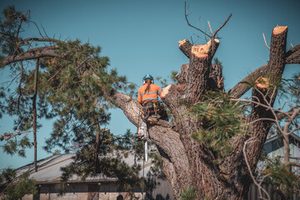
There are several reasons why a homeowner may need to hire a professional for tree removal. It could be that an unsightly or dead tree is blocking a view, or perhaps it is overhanging the backyard sandbox or worryingly swaying in every windstorm. Whatever the reason, a professional can get the job done quickly and efficiently without risking damage to property or injury to people.

The most obvious benefit of hiring a professional is their knowledge and expertise. They know how to handle trees of all shapes and sizes and can use a variety of specialized equipment to safely remove them. They also have the experience necessary to plan carefully for unexpected challenges that can arise during the removal process, which will reduce the risk of injuries and costly mistakes.

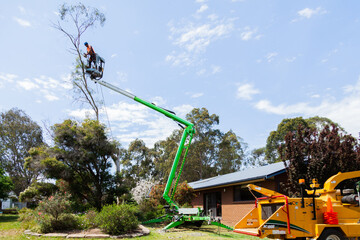
Another advantage is that a professional will use the latest tools and techniques to get the job done. They will be able to use a variety of specialized equipment such as chainsaws, stump grinding tools, cranes, and even wood chippers. This means that they can finish the work much faster than a homeowner would with a few handsaws. It will also be more cost-efficient than renting or purchasing all the equipment yourself, which is not an easy task for most homeowners.

When choosing a tree removal service, it is important to look for one that is licensed and insured. This will protect you in case something goes wrong during the process, such as damage to your property or injury to someone on your property. You should also check online reviews and references to ensure that you are working with a reputable company.

A reliable tree removal service should also be able to provide you with a written estimate that clearly outlines the scope of work and costs. They should be able to answer any questions that you have regarding the project and will communicate openly with you throughout the entire process. They should also have the proper insurance and safety equipment to ensure that they are qualified to perform the work. Finally, a reputable tree removal service will be accredited by the Better Business Bureau (BBB). This can help you to avoid any scams or frauds.

DIY Debris Removal

Taking care of debris promptly is essential not only for keeping the property clean and safe, but also for preventing property damage that can be costly to repair. However, deciding whether to do the cleanup yourself or hire professional services can be a tricky decision that requires balancing cost, time constraints, and safety concerns.

Before beginning any DIY debris removal, it is important to assess the scope of the project and make sure you have the right tools for the job. While some projects can be completed with a handful of basic items, others may require more specialized tools like power tools, ladders, or even a crane for larger debris. In addition, it is critical to consider the safety risks involved with handling heavy or hazardous materials. For example, fallen branches and limbs may pose a risk of injury or property damage. Additionally, downed trees can pose a danger to people and vehicles, and could potentially interfere with electrical lines.

If you do decide to tackle the task yourself, it is also helpful to have a plan of action and a timeline to complete the work. Having the proper tools and equipment can help speed up the process, as well as make it more manageable. For example, a wheelbarrow or tarp can be used to transport loose debris from the site, and can save time by eliminating the need for repeated trips. Additionally, debris bags or dumpsters can be used to collect small or large items for disposal later on.

Finally, it is important to understand how different types of debris are disposed of, as each may require specific handling procedures to ensure safety and regulation compliance. For example, construction waste may require a dumpster or specialized debris removal services, while yard debris can be managed through composting or by renting a dedicated yard debris container. It is also a good idea to sort through debris for items that can be recycled or donated, as this can reduce overall costs and environmental impact.

Ultimately, hiring professional debris removal services can be a wise investment for homeowners who want to save time and avoid the hassle of DIY efforts. With the right planning and safety precautions, these services can provide a quick and efficient cleanup solution that helps restore properties quickly.