Thriving Green Giants Through Expert Tree Care

Trees are among the most valuable living elements of any property. They offer shade, beauty, clean air, and a sense of tranquility that enhances outdoor spaces. But like any living thing, trees require ongoing attention to remain strong and healthy. Proper tree care helps them thrive for generations, prevents hazards, and maintains the natural beauty of landscapes. By understanding what tree care entails and why it matters, property owners can protect their investment while supporting the environment.
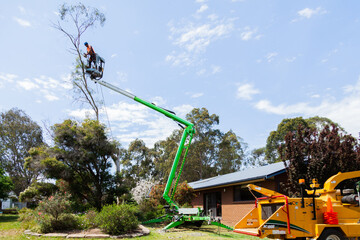
tree care

The Importance of Caring for Trees

Healthy trees do far more than simply look attractive. They improve air quality, absorb carbon dioxide, reduce noise pollution, and provide habitats for wildlife. Well-maintained trees also boost property values and create a welcoming atmosphere for family, visitors, or customers.

Neglected trees, on the other hand, can become dangerous or unsightly. Dead branches may fall unexpectedly, roots may damage structures, or pests and diseases may spread unchecked. Regular tree care is an investment in safety, sustainability, and curb appeal.

Core Elements of Effective Tree Care

Tree care is not a one-size-fits-all task. Different species and settings call for different approaches. However, several universal practices ensure healthy, long-lived trees.

1. Regular Pruning and Trimming

Pruning removes dead, diseased, or overcrowded branches, allowing the tree to grow stronger and healthier. Trimming also shapes the canopy for better airflow and sunlight penetration, which reduces the risk of disease and storm damage. Proper pruning enhances both the safety and appearance of trees.

2. Soil and Root Health

The condition of the soil directly affects a tree’s vitality. Adequate nutrients, water, and aeration support strong root systems. Mulching around the base helps retain moisture, regulate temperature, and prevent weed growth. Avoid piling mulch against the trunk, as it can trap moisture and invite rot.

3. Watering Wisely

Young or newly planted trees require regular watering to establish deep roots. Mature trees may need supplemental watering during dry spells, especially in hot climates. Deep, infrequent watering encourages roots to grow downward, improving stability and drought resistance.

4. Pest and Disease Management

Trees can be vulnerable to insects, fungi, and other threats. Regular inspections identify problems early, allowing for targeted treatments before infestations or diseases spread. Integrated pest management strategies balance tree health with environmental safety.

5. Fertilization

When soil lacks essential nutrients, trees may show signs of stress such as yellowing leaves or stunted growth. Fertilization replenishes nutrients and supports vigorous growth. A soil test can help determine what’s needed to avoid over- or under-fertilizing.

6. Protection from Damage

Trees near driveways, construction areas, or foot traffic are at risk of trunk and root damage. Protective barriers or careful landscaping practices can help shield them from harm. Even a lawnmower or string trimmer strike can weaken bark and invite disease.

Seasonal Tree Care Tips

Tree care needs shift throughout the year. Staying in tune with seasonal changes helps trees remain strong and resilient.

  • Spring: Inspect trees for winter damage, fertilize if needed, and prune before new growth starts.
  • Summer: Monitor for pests, diseases, and drought stress. Provide extra water and mulch to retain soil moisture.
  • Fall: Prune dead or weak branches and plant new trees to take advantage of cooler weather.
  • Winter: Protect young trees from frost or heavy snow and plan major pruning for dormancy periods.

This cyclical approach allows trees to thrive year-round while minimizing unexpected issues.

The Benefits of Professional Tree Care

While basic tree care tasks can be done by property owners, many situations call for professional expertise.

  • Safety: Tree care often involves heights, heavy branches, and power tools. Professionals are trained and equipped to work safely.
  • Knowledge: Certified arborists understand tree biology, soil science, and proper pruning techniques.
  • Efficiency: With specialized equipment, professionals can complete jobs quickly and cleanly.
  • Preventive Care: Regular professional inspections catch small issues before they become major hazards.

Hiring experts ensures that trees receive the right care without risking injury or costly mistakes.

Recognizing Trees in Distress

Knowing when a tree needs attention is vital. Warning signs include:

  • Dead or broken branches
  • Leaning trunks or exposed roots
  • Cracks in bark or large limbs
  • Discolored, sparse, or wilting foliage
  • Unusual insect activity or fungal growth

Addressing problems early can save a tree or prevent a hazardous situation. Even healthy-looking trees benefit from periodic checkups.

Planting with the Future in Mind

Good tree care starts before the tree is even planted. Selecting the right species for the climate, soil, and space ensures a better chance of long-term survival. Planting trees too close to buildings or power lines can cause issues later. Proper planting depth and spacing give roots room to grow and reduce competition for water and nutrients.

Thinking ahead about a tree’s mature size and shape can prevent costly removals or pruning in the future.

Supporting a Healthy Environment

Tree care does more than improve individual properties—it strengthens the environment as a whole. Healthy trees filter pollutants, sequester carbon, and cool urban areas by reducing the heat island effect. They also provide essential food and shelter for birds, insects, and other wildlife.

By investing in tree care, property owners contribute to a greener, healthier planet while enhancing their own surroundings.

Building a Long-Term Tree Care Plan

Consistency is key to maintaining beautiful, safe, and healthy trees. Developing a tree care plan that includes regular inspections, seasonal maintenance, and prompt attention to problems ensures that trees continue to thrive.

This plan might involve scheduling annual professional evaluations, budgeting for maintenance, and staying educated about local pests or weather patterns. A proactive approach reduces the risk of emergencies and preserves the natural beauty of landscapes.

Cultivating Beauty and Safety Through Tree Care

Trees are living treasures that add value, character, and serenity to any space. Proper care helps them flourish, protects people and property, and supports a sustainable environment. Whether it’s pruning, fertilizing, monitoring for pests, or simply watering at the right time, each step taken strengthens the tree’s future.

By prioritizing tree care, property owners nurture not only their own landscapes but also the broader ecosystem. With attention, patience, and expertise, trees will stand tall and healthy for decades, creating a lasting legacy of natural beauty.

Reasons to Hire a Professional for Tree Removal

Trees add to the beauty and value of property, but they can also pose dangers when not cared for properly. They can fall on people or structures, spread disease and obstruct views.

Tree Removal

A dead or dying tree that is structurally compromised may need to be removed immediately. If this is the case, it is essential to get a permit.

Tree debris can quickly turn a tidy yard into a cluttered mess, posing safety hazards and detracting from the aesthetics of your property. Proper disposal of this debris is essential, and hiring a professional tree service for complex or hazardous jobs can be an excellent option.

When assessing your home’s tree debris, the first step is to walk around and carefully note any damage or fallen branches that may have landed on the ground. You should also take into account any leaning or unstable trees, as these can pose a risk of falling during severe weather conditions. Also, be sure to look for downed power lines, which will require immediate attention from utility professionals.

Once you have assessed the extent of the debris, you will need to make a decision about how best to remove it. If the tree is still standing, you can try to remove it on your own. This can be difficult and time consuming, so it is important to prepare in advance. Gather the necessary equipment, including heavy gloves, boots, a hard hat, eye protection, and ropes. Also, be sure to clear the area surrounding the tree of any structures or people that it could hit.

If the tree is leaning, determine which way it will fall and choose a cutting direction accordingly. If it is a large tree, this can be especially challenging. To prevent injury, you should always keep a distance of at least twice the height of the tree when felling it. Also, never attempt to cut a leaning or unstable tree with a chainsaw without an experienced operator present.

After the tree has been removed, you will need to dispose of the stump. Removing the stump is important for several reasons, including preventing pests and diseases from invading the area, improving your landscape, and making the space usable for other purposes. You can do this on your own, or you can hire a tree stump grinding service to do it for you.

It is also important to rake the cleanup area afterward, as this eliminates trip hazards and improves aesthetics. Finally, be sure to recycle or dispose of the debris properly to avoid environmental harm.

Taking Care of the Stump

Stumps are not only ugly to look at, they can also cause problems in your yard. If you don’t remove the stump, it will eventually rot and attract wood-loving pests such as carpenter ants and termites. These pests can damage your property and make their way into your home. Moreover, a decaying stump can take nutrients from nearby plants that you actually want to grow. It can also become a trip-and-fall hazard or interfere with lawnmower access. In addition, the roots can girdle the base of adjacent trees and eventually kill them.

Luckily, there are several ways to take care of a tree stump and even repurpose it into something useful in your garden. For instance, you can use the wood chips to make a mulch that helps soil retain moisture and prevent runoff. It can also be added to a compost pile to enrich the soil. Another option is to let the stump decompose over time by digging out and covering it with topsoil. This will reduce its tendency to rob the soil of nitrogen and other vital minerals.

Some homeowners choose to leave a stump because it provides shelter for birds and other wildlife. Stumps are also natural stabilizing anchor points that prevent erosion. Stumps can also be surrounded with hardy ground cover like creeping thyme and ivy to create a more attractive landscape. In fact, a stump can become a sculptural element in your garden when it’s carved into something artistic.

If you don’t want to wait for the stump to rot naturally, there are many chemical solutions that promise to kill it within a short period of time. These methods are usually more expensive, but they may be safer for the environment. Before you apply a chemical solution, consult the manufacturer’s instructions. Most of these methods require drilling holes in the stump and pouring a chemical compound into them.

If you’re hesitant to use chemicals, try using Epsom salt instead. This is a common household product that’s both safe and inexpensive. Start by drilling multiple holes in the stump and filling them with rock salt. After a few months, the stump should be dead.

Hiring a Professional

There are several reasons why a homeowner may need to hire a professional for tree removal. It could be that an unsightly or dead tree is blocking a view, or perhaps it is overhanging the backyard sandbox or worryingly swaying in every windstorm. Whatever the reason, a professional can get the job done quickly and efficiently without risking damage to property or injury to people.

The most obvious benefit of hiring a professional is their knowledge and expertise. They know how to handle trees of all shapes and sizes and can use a variety of specialized equipment to safely remove them. They also have the experience necessary to plan carefully for unexpected challenges that can arise during the removal process, which will reduce the risk of injuries and costly mistakes.

Another advantage is that a professional will use the latest tools and techniques to get the job done. They will be able to use a variety of specialized equipment such as chainsaws, stump grinding tools, cranes, and even wood chippers. This means that they can finish the work much faster than a homeowner would with a few handsaws. It will also be more cost-efficient than renting or purchasing all the equipment yourself, which is not an easy task for most homeowners.

When choosing a tree removal service, it is important to look for one that is licensed and insured. This will protect you in case something goes wrong during the process, such as damage to your property or injury to someone on your property. You should also check online reviews and references to ensure that you are working with a reputable company.

A reliable tree removal service should also be able to provide you with a written estimate that clearly outlines the scope of work and costs. They should be able to answer any questions that you have regarding the project and will communicate openly with you throughout the entire process. They should also have the proper insurance and safety equipment to ensure that they are qualified to perform the work. Finally, a reputable tree removal service will be accredited by the Better Business Bureau (BBB). This can help you to avoid any scams or frauds.

DIY Debris Removal

Taking care of debris promptly is essential not only for keeping the property clean and safe, but also for preventing property damage that can be costly to repair. However, deciding whether to do the cleanup yourself or hire professional services can be a tricky decision that requires balancing cost, time constraints, and safety concerns.

Before beginning any DIY debris removal, it is important to assess the scope of the project and make sure you have the right tools for the job. While some projects can be completed with a handful of basic items, others may require more specialized tools like power tools, ladders, or even a crane for larger debris. In addition, it is critical to consider the safety risks involved with handling heavy or hazardous materials. For example, fallen branches and limbs may pose a risk of injury or property damage. Additionally, downed trees can pose a danger to people and vehicles, and could potentially interfere with electrical lines.

If you do decide to tackle the task yourself, it is also helpful to have a plan of action and a timeline to complete the work. Having the proper tools and equipment can help speed up the process, as well as make it more manageable. For example, a wheelbarrow or tarp can be used to transport loose debris from the site, and can save time by eliminating the need for repeated trips. Additionally, debris bags or dumpsters can be used to collect small or large items for disposal later on.

Finally, it is important to understand how different types of debris are disposed of, as each may require specific handling procedures to ensure safety and regulation compliance. For example, construction waste may require a dumpster or specialized debris removal services, while yard debris can be managed through composting or by renting a dedicated yard debris container. It is also a good idea to sort through debris for items that can be recycled or donated, as this can reduce overall costs and environmental impact.

Ultimately, hiring professional debris removal services can be a wise investment for homeowners who want to save time and avoid the hassle of DIY efforts. With the right planning and safety precautions, these services can provide a quick and efficient cleanup solution that helps restore properties quickly.

Raccoon Removal Service: Protecting Your Property with Humane and Effective Wildlife Control

Raccoons may appear harmless or even charming from a distance, but when they invade residential or commercial properties, they can cause significant damage and pose serious health risks. These intelligent and highly adaptable animals are known for their dexterity, problem-solving skills, and persistence. Once they identify a reliable source of food or shelter, they are unlikely to leave without intervention. A professional Raccoon Removal Texas service provides the expertise, tools, and humane strategies necessary to resolve infestations safely while protecting both property and occupants. Understanding the risks associated with raccoon activity and the importance of professional removal is essential for maintaining a secure and sanitary environment.

raccoon removal

Raccoons are opportunistic wildlife that thrive in areas where food, water, and shelter are readily available. Trash bins, pet food, compost piles, and accessible attics or crawl spaces create ideal conditions for raccoon habitation. Unlike smaller pests, raccoons are strong and capable of tearing through roofing materials, vents, soffits, and siding to gain entry into structures. Once inside, they may create nests in attics, damage insulation, chew wiring, and contaminate areas with droppings and urine. Their presence can compromise structural integrity and create costly repair needs if not addressed promptly.

One of the primary reasons property owners seek raccoon removal services is the extensive damage these animals can cause. Raccoons often target attics for nesting, especially during breeding seasons. Female raccoons may establish dens in quiet, sheltered spaces to raise their young. In doing so, they can displace insulation, break ductwork, and create entry holes that allow moisture and additional pests to enter the property. Outdoors, raccoons may dig up lawns in search of insects, raid gardens, and damage landscaping features. The financial impact of these activities can escalate quickly, making timely intervention critical.

Health risks associated with raccoon infestations should not be underestimated. Raccoons can carry diseases and parasites that pose threats to humans and pets. Their droppings may contain harmful pathogens, and contact with contaminated surfaces can increase the risk of illness. Additionally, raccoons can become aggressive if they feel threatened, particularly mothers protecting their young. Attempting to remove raccoons without proper training or equipment increases the likelihood of injury and exposure to disease. Professional raccoon removal services are equipped to handle these risks safely and effectively.

A comprehensive raccoon removal service typically begins with a detailed inspection of the property. Professionals assess entry points, nesting areas, and potential attractants to develop a customized removal plan. This inspection process is crucial because raccoons are intelligent and may use multiple access points. Simply removing one animal without addressing structural vulnerabilities can lead to recurring problems. A thorough assessment ensures that all aspects of the infestation are identified and addressed systematically.

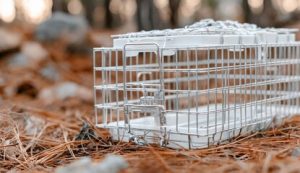
Effective raccoon removal strategies often involve a combination of humane trapping, exclusion techniques, and habitat modification. Humane trapping methods are designed to capture raccoons safely without causing harm. Once captured, wildlife professionals follow established guidelines for relocation or other appropriate measures. Exclusion techniques, such as sealing entry points and reinforcing vulnerable areas, prevent raccoons from re-entering the property. Habitat modification reduces attractants by securing trash bins, removing accessible food sources, and improving overall sanitation. These integrated approaches ensure long-term effectiveness rather than temporary relief.

Key components of a professional raccoon removal service often include:

  1. Comprehensive Property Inspection – Identifying entry points, nesting sites, and environmental factors contributing to the infestation.
  2. Humane Trapping and Removal – Using safe and ethical methods to capture and remove raccoons.
  3. Exclusion and Structural Repairs – Sealing gaps, reinforcing vents, and repairing damage to prevent future access.
  4. Sanitation and Decontamination – Cleaning affected areas to eliminate health hazards and odors.
  5. Preventive Recommendations – Providing guidance on maintaining a raccoon-resistant property.

Preventive measures play a central role in minimizing the risk of future raccoon infestations. Securing garbage containers with tight-fitting lids, storing pet food indoors, and avoiding leaving food outside overnight significantly reduce attractants. Installing heavy-duty vent covers and chimney caps can block common entry points. Regularly inspecting roofing, soffits, and siding for signs of damage allows property owners to address vulnerabilities before raccoons exploit them. These proactive steps, combined with professional guidance, create a strong defense against wildlife intrusion.

Commercial properties face unique challenges when dealing with raccoon activity. Restaurants, warehouses, office buildings, and retail establishments often generate food waste that can attract wildlife. In these environments, raccoon infestations can disrupt operations, damage inventory, and negatively impact customer perception. Implementing a structured wildlife management plan ensures that commercial facilities remain compliant with health and safety standards while maintaining operational continuity. Professional raccoon removal services can tailor strategies to meet the specific needs of commercial clients, minimizing disruption and protecting business interests.

Another important aspect of raccoon removal is addressing the aftermath of an infestation. Even after animals are removed, contaminated insulation, droppings, and nesting materials may remain. Professional decontamination services are essential for restoring affected areas to a safe and hygienic condition. This process may involve removing soiled materials, disinfecting surfaces, and deodorizing spaces to eliminate lingering odors that could attract other wildlife. Thorough cleanup not only protects health but also ensures that the property is fully restored.

Technology has enhanced the effectiveness of modern raccoon removal services. Motion-activated cameras, thermal imaging devices, and advanced monitoring systems allow professionals to identify activity patterns and pinpoint nesting locations with greater accuracy. These tools reduce guesswork and enable targeted interventions, improving efficiency and minimizing stress on both property occupants and wildlife. Data collected during monitoring can also inform long-term preventive strategies, strengthening the property’s defenses over time.

Education and awareness are critical components of wildlife control. Property owners who understand raccoon behavior are better equipped to prevent infestations. Raccoons are nocturnal and often seek shelter during the day in quiet, undisturbed areas. Recognizing early warning signs—such as overturned trash bins, scratching noises in attics, or visible damage to vents—allows for prompt action. Early intervention reduces the extent of damage and simplifies the removal process.

There are several long-term benefits to investing in professional raccoon removal services:

  1. Enhanced Safety – Reduces the risk of injury and disease transmission.
  2. Property Preservation – Prevents structural damage and costly repairs.
  3. Humane Wildlife Management – Ensures ethical handling and removal practices.
  4. Long-Term Prevention – Addresses root causes to minimize recurrence.
  5. Peace of Mind – Assures that the issue is resolved comprehensively.

It is important to emphasize that do-it-yourself removal attempts often fall short of addressing the full scope of a raccoon infestation. Without proper training, individuals may overlook hidden entry points or fail to implement effective exclusion measures. Additionally, improper handling can lead to legal complications in areas where wildlife protection regulations apply. Professional services combine technical expertise with an understanding of wildlife behavior, ensuring that removal efforts are both effective and compliant with applicable guidelines.

Sustainable wildlife control requires balancing human needs with respect for the environment. Humane raccoon removal services prioritize ethical practices that protect both property and wildlife populations. By focusing on exclusion, habitat modification, and preventive education, these services contribute to long-term solutions that reduce conflict between humans and animals. Responsible wildlife management supports ecological balance while safeguarding residential and commercial properties.

In conclusion, raccoon infestations present serious risks to property, health, and safety. Their intelligence and adaptability make them challenging to remove without professional assistance. A comprehensive raccoon removal service provides thorough inspection, humane trapping, structural exclusion, sanitation, and preventive guidance to ensure lasting results. By addressing the root causes of infestations and implementing proactive measures, property owners can protect their homes and businesses from future wildlife intrusion. Investing in professional raccoon removal is not merely a reactive measure—it is a strategic step toward maintaining a secure, hygienic, and resilient property environment.