Water damage is one of the most disruptive and costly issues a property owner can face. Whether caused by plumbing failures, roof leaks, appliance malfunctions, or severe weather, excess moisture can compromise structural materials, damage personal property, and create conditions favorable for mold growth. While surface water removal is an important first step, it is only part of the restoration process. The true science of recovery lies in structural drying techniques that target hidden moisture within walls, floors, ceilings, and substructures. Professional water damage Restore Draper relies on a calculated, methodical approach to drying that protects structural integrity and prevents secondary damage.
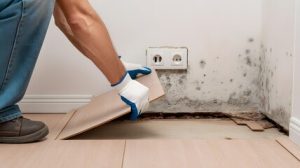
Structural drying is not simply about placing a few fans in a wet room. It involves understanding the behavior of water within building materials and applying principles of psychrometry, airflow dynamics, and moisture migration. When water intrudes into a property, it moves rapidly through porous materials such as drywall, wood, insulation, and concrete. Capillary action can draw moisture upward into walls and across surfaces, while evaporation introduces humidity into the surrounding air. Without controlled drying, this trapped moisture can lead to warping, swelling, corrosion, and microbial growth. Professional restoration teams use specialized equipment and monitoring techniques to reverse this process and return materials to acceptable moisture levels.
The first stage of structural drying typically involves a comprehensive assessment. Restoration professionals evaluate the extent of water intrusion using moisture meters, thermal imaging tools, and hygrometers. These instruments help identify not only visible damage but also hidden pockets of moisture behind walls or beneath flooring. By mapping out affected areas, technicians can develop a targeted drying plan rather than relying on guesswork. This assessment phase is critical because incomplete drying often leads to long-term structural problems.
Once the scope of damage is determined, the extraction phase begins. High-powered pumps and extraction units remove standing water quickly and efficiently. The speed of extraction directly influences the success of subsequent drying efforts. The longer water remains in contact with structural materials, the deeper it penetrates. Prompt removal reduces saturation levels and shortens overall drying time. After visible water is extracted, professionals shift their focus to removing residual moisture embedded within building components.
Air movement is a foundational component of structural drying. Industrial-grade air movers are strategically positioned to create high-velocity airflow across wet surfaces. This airflow accelerates evaporation by disrupting the boundary layer of saturated air that forms near damp materials. By continuously replacing humid air with drier air, evaporation rates increase significantly. Proper placement of air movers is based on room dimensions, material types, and the severity of water intrusion. Random placement can lead to uneven drying and prolonged restoration timelines.
Dehumidification works in tandem with air movement to control moisture in the environment. As water evaporates from surfaces, it raises indoor humidity levels. Without dehumidification, the air can quickly become saturated, slowing or even halting evaporation. Professional restoration teams deploy commercial dehumidifiers designed to extract large volumes of moisture from the air. By maintaining balanced humidity levels, these systems support continuous drying and prevent condensation from redepositing moisture onto surfaces.
Structural drying relies on several core techniques that work together to achieve optimal results:
- Controlled Airflow Management: Strategic placement of air movers ensures consistent evaporation across affected materials.
- Professional Dehumidification: High-capacity dehumidifiers regulate humidity levels and remove moisture from the air.
- Targeted Heat Application: In certain scenarios, controlled heat increases evaporation rates by raising the temperature of wet materials.
These methods are carefully calibrated based on environmental readings and ongoing moisture measurements.
Another important technique is cavity drying. Water often infiltrates wall cavities, ceiling voids, and subfloor spaces that are not immediately visible. Rather than demolishing large sections of structure, professionals may use specialized drying systems that introduce airflow directly into these enclosed spaces. Small access points can be created to inject warm, dry air while simultaneously extracting humid air. This targeted approach minimizes structural disruption while ensuring thorough drying.
Floor drying systems are also frequently employed in water damage restoration. Hardwood floors, for example, are highly susceptible to warping and cupping when exposed to moisture. Restoration specialists may use drying mats or negative air systems that pull moisture upward from beneath the flooring. These techniques preserve materials that might otherwise require full replacement. Similarly, drying systems can be applied to concrete slabs where moisture has penetrated deeply into porous surfaces.
Monitoring is an ongoing component of structural drying. Restoration professionals do not rely solely on time estimates. Instead, they conduct daily or periodic moisture readings to track progress. Moisture meters measure the internal moisture content of materials, while hygrometers monitor ambient humidity and temperature. By analyzing this data, technicians can adjust equipment placement, increase dehumidification capacity, or modify airflow patterns as needed. This data-driven approach ensures that drying is both efficient and complete.
Time is a critical factor in preventing secondary damage. Prolonged moisture exposure creates an environment conducive to microbial growth. Mold can begin developing within a relatively short period under the right conditions. Structural drying aims to reduce moisture levels before microbial amplification occurs. By controlling humidity and removing water from materials, restoration teams significantly reduce the likelihood of contamination that would require additional remediation.
The drying process often varies depending on the category and class of water damage. Clean water from a supply line leak may require less intensive intervention than contaminated water from an external source. Heavily saturated materials demand more aggressive drying strategies. Professionals evaluate factors such as material density, porosity, and the extent of saturation when designing a drying plan. This tailored approach ensures that resources are used effectively and that no hidden moisture remains.
In addition to equipment and technique, containment plays an important role. In larger properties, restoration professionals may isolate affected areas using temporary barriers. This prevents humid air from spreading to unaffected sections of the building and allows dehumidification systems to operate more efficiently. Controlled containment also improves temperature regulation, further enhancing evaporation rates.
Structural drying techniques provide several long-term benefits for property owners:
- Preservation of Building Materials: Proper drying reduces the need for demolition and replacement of structural components.
- Prevention of Mold Growth: Rapid moisture control minimizes the risk of microbial contamination.
- Protection of Structural Integrity: Eliminating trapped moisture prevents warping, swelling, and deterioration of materials.
These outcomes not only reduce repair costs but also maintain the overall value of the property.
One of the most misunderstood aspects of structural drying is the concept of equilibrium moisture content. Building materials naturally contain a certain amount of moisture based on environmental conditions. The goal of professional drying is not to remove all moisture, but to return materials to their normal, stable levels. Over-drying can sometimes cause unnecessary stress on materials, while under-drying leaves hidden moisture behind. Skilled technicians understand how to balance temperature, humidity, and airflow to achieve proper equilibrium.
Advanced drying strategies may also include desiccant dehumidification for large-scale or low-temperature environments. Desiccant systems use chemical attraction rather than condensation to remove moisture from the air. This method can be particularly effective in challenging conditions where traditional refrigeration-based dehumidifiers are less efficient. By selecting the appropriate technology, restoration teams adapt to a wide range of scenarios.
Communication and documentation are integral to professional water damage restoration. Detailed records of moisture readings, equipment placement, and environmental conditions provide transparency and accountability. This documentation is often valuable for insurance claims and demonstrates that the drying process was conducted according to established standards.
It is important for property owners to understand that structural drying is both a science and a disciplined process. Attempting to manage significant water damage without professional equipment often leads to incomplete drying. Household fans and portable dehumidifiers typically lack the capacity required to address deeply saturated materials. Without proper monitoring tools, hidden moisture can remain undetected until it manifests as structural deterioration or mold growth.
In conclusion, structural drying techniques are the backbone of professional water damage restoration. From thorough assessment and rapid extraction to controlled airflow, dehumidification, and continuous monitoring, each step is designed to remove moisture efficiently and restore structural stability. These techniques protect building materials, prevent microbial growth, and reduce the likelihood of costly secondary damage. For property owners facing water intrusion, understanding the importance of professional structural drying highlights why prompt, expert intervention is essential for safeguarding both the property and its long-term value.